
Is Cebu safe? An honest guide for first-time visitors
Is Cebu safe for tourists?
Short answer
Yes. Cebu is one of the most popular and welcoming tourist regions in the Philippines, and the vast majority of visitors have a smooth, friendly trip. It sits in the Central Visayas, well away from the parts of Mindanao that some governments flag in their travel advice. The main things to plan for are everyday ones: petty pickpocketing in crowded spots, busy and sometimes chaotic roads, typhoon season from around June to November, and normal sea and sun precautions. Simple habits handle almost all of it, and travelling by a pre-arranged private car with a local driver takes the biggest variable, the roads, off your plate.
Cebu is one of the Philippines’ best-loved destinations, and for good reason: warm, English-speaking locals, world-class diving and beaches, and easy island-hopping. If this is your first trip, it is natural to want a straight answer on safety before you book, and the honest one is reassuring. Cebu is a mainstream, heavily visited tourist region, and most people come and go without any trouble at all.
That does not mean switching your common sense off. Like any busy travel hub, Cebu has its share of pickpockets in crowded places, its roads can feel hectic, and the weather has a rainy, storm-prone season. This guide walks through each of those honestly and gives you the simple habits that keep a trip smooth, so you can spend your energy on the whale sharks and the waterfalls, not on worrying.
How safe is Cebu, really?
Cebu is in the Central Visayas, the heart of the country’s tourism belt, and is one of the most-visited regions in the Philippines. It is a long way, both geographically and in feel, from the areas of western and central Mindanao that a few Western governments advise against, so those specific warnings do not apply here. Everyday Cebu is friendly, used to visitors and easy to get around in English.
The realistic risks for a tourist are ordinary ones rather than dramatic ones: opportunistic petty theft, the occasional overcharging attempt, busy traffic, and the weather. Serious crime against tourists is uncommon, and a little awareness covers the rest. Below is the practical detail on each.
Petty crime and how to sidestep it
The most likely issue you will meet is petty pickpocketing or bag-snatching in crowded, distracting places: packed markets, busy jeepneys, fiesta crowds and transport terminals. It is opportunistic, not targeted, and the same habits you would use in any big city handle it.
Keep valuables low-profile
Carry your phone and cash in a front pocket or a zipped cross-body bag, not a back pocket or an open tote. Leave the flashy jewellery and spare cards at the hotel safe.
Split your money
Keep the day’s spending money separate from your cards and backup cash, so a bad moment is never a trip-ending one.
Mind the crowd
Stay a bit more aware in packed markets, terminals and festival crowds, and keep bags in front of you and zipped on jeepneys and buses.
Use the hotel safe
Lock away your passport, spare cash and anything you do not need for the day, and carry a photo or copy of your passport instead of the original.
Getting around safely
The single biggest safety variable in Cebu is not crime, it is the roads. Traffic in the city is dense, motorbikes weave, and the mountain roads to the south coast sights are long and winding. How you choose to travel makes a real difference to how relaxed the trip feels.
For short hops around the city, Grab ride-hailing and metered white taxis are the easy, low-stress options: Grab in particular shows the fare before you book and records the driver and route, which sidesteps any haggling. Jeepneys and habal-habal motorbike taxis are cheap and part of the experience, but they suit confident short trips more than luggage-laden airport runs or long day trips.
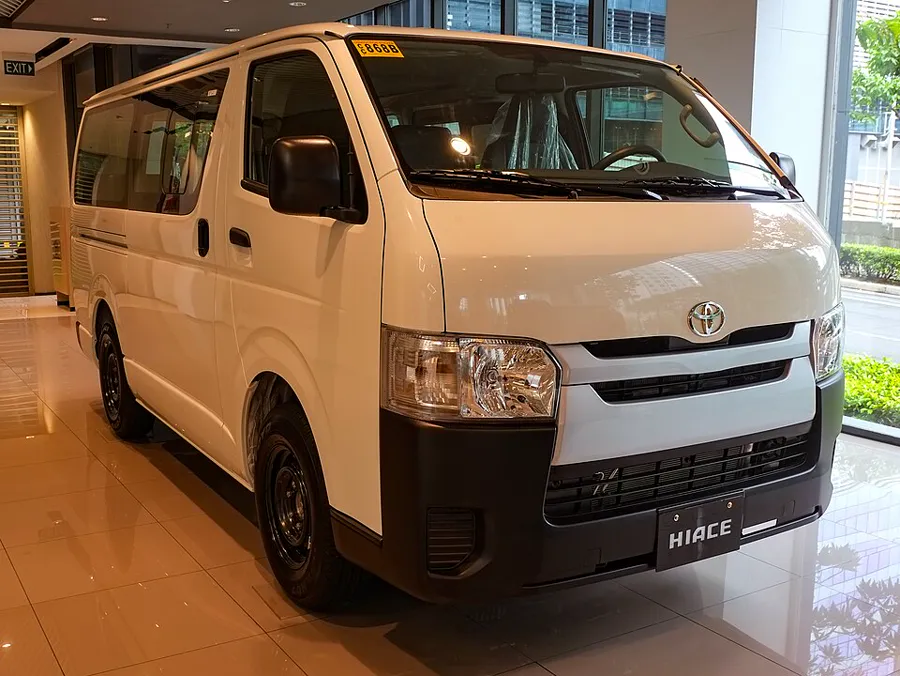
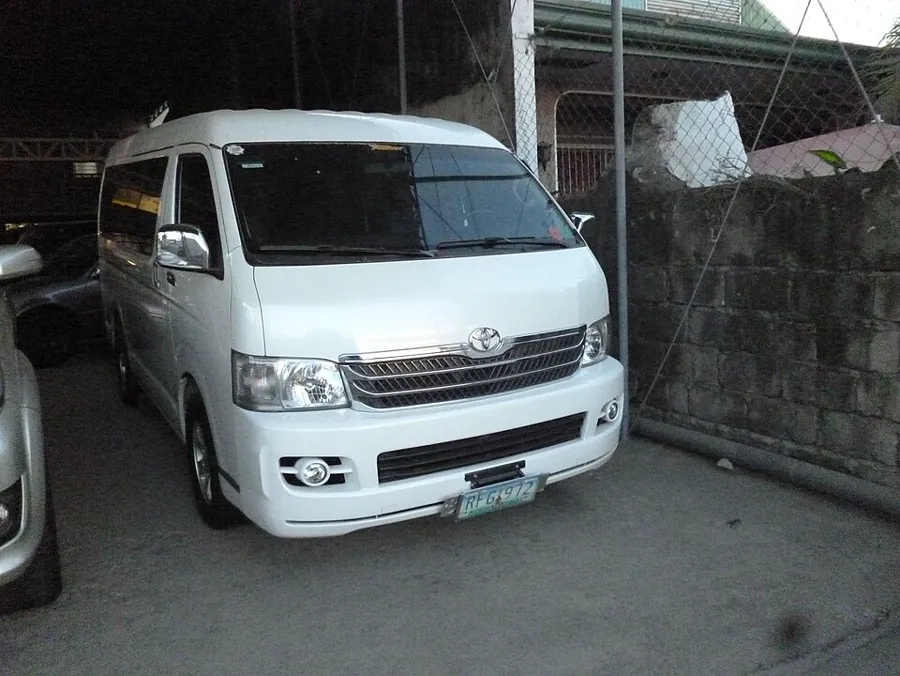
For the airport transfer, the long day trips south to Oslob, Kawasan and Moalboal, and any journey that has to meet a ferry, most visitors are far more comfortable in a pre-arranged private car with a local driver. You are met by name, the price is fixed up front, and a driver who knows the roads, the traffic and the timing handles the tricky part while you enjoy the view.
Water, food and the sea
A few health basics keep the trip on track, and none of them are dramatic:
Drink bottled or filtered water
Tap water is not recommended for drinking. Bottled water is cheap and everywhere, and most hotels provide it. Skip ice only where hygiene looks doubtful; reputable places use commercial ice.
Eat where it is busy
Cebu’s food, from lechon to fresh seafood, is a highlight. Popular, busy eateries with high turnover are your friend. Ease into the street food rather than diving in on day one.
Respect the sea
On island and beach trips, follow the boatmen and local guides on currents and conditions, wear a life vest on bangka boat transfers, and do not swim beyond your depth. Reef-safe sunscreen and rash guards protect you and the reefs.
Sun and hydration
The tropical sun is strong. Cover up, reapply sunscreen and drink plenty of water, especially on full-day tours and canyoneering.
Weather and typhoon season
The Philippines has a rainy, storm-prone season running roughly from June to November, with the greatest chance of typhoons around August to October. Cebu is somewhat sheltered compared with the east-facing coasts, and plenty of trips run happily through these months, but it pays to build in a little flexibility: keep an eye on the forecast, avoid committing to tight island-hopping connections around a named storm, and have a backup plan for a washout day.
The drier, most settled window is generally December to May, which is peak season for good reason. For a month-by-month breakdown, see our guide on the best time to visit Cebu.
Solo, female and family travellers
Cebu is a comfortable destination for solo travellers, including solo women, and for families. Filipinos are famously friendly and helpful, English is widely spoken, and the usual sensible habits apply: favour reputable ride-hailing or a pre-arranged driver after dark, keep someone informed of your plans on longer day trips, and trust your instincts if a situation feels off.
For families, the calm of a private car with child seats arranged in advance, no waiting for the next bus in the heat, and a driver who can adjust the day around nap times and appetites takes a lot of the friction out of travelling with children.
Useful basics to have on hand
Emergency number
911 is the nationwide emergency hotline in the Philippines for police, fire and medical help.
Travel insurance
Take out travel insurance that covers medical care and the activities you plan, from diving to canyoneering. Private hospitals in Cebu City are good but you will want cover in place.
Stay reachable
A local SIM or eSIM with data (easy to buy on arrival) keeps maps, Grab and messaging working, which is a safety tool in itself.
Keep copies
Photograph your passport, insurance and booking details and store them where you can reach them offline.
The relaxed way to see Cebu
Put simply, Cebu is a safe, welcoming place to visit, and a few everyday habits cover almost everything. The part most first-timers underestimate is the roads, and that is the easiest part to solve.
We arrange private airport transfers, day trips and multi-day tours by car with a local driver: met on arrival, one fixed price agreed up front, and someone who knows the routes and the timing so you can simply enjoy the trip. Tell us your plans through the quote form and we send back an all-in price, with nothing to pay to enquire.
Frequently asked questions
Is Cebu safe for tourists?
Yes. Cebu is one of the most popular and welcoming tourist regions in the Philippines and the vast majority of visitors have a trouble-free trip. It sits in the Central Visayas, away from the parts of Mindanao that some governments advise against. The everyday things to plan for are petty theft in crowded spots, busy roads, typhoon season from around June to November, and normal sea and sun precautions.
Is Cebu safe for solo female travellers?
Generally yes. Cebu is a comfortable destination for solo women, with friendly, English-speaking locals and a well-worn tourist trail. Apply the usual sensible habits: favour reputable ride-hailing like Grab or a pre-arranged private driver after dark, keep someone informed of your plans on longer trips, and trust your instincts.
Is it safe to get around Cebu at night?
Yes, with a little care. Stick to well-reviewed ride-hailing (Grab shows the fare and records the trip), official taxis or a pre-booked private car after dark rather than flagging down unknown transport, and keep valuables discreet. For late airport arrivals in particular, a private transfer waiting by name is the low-stress option.
Are the Oslob whale sharks and island boat trips safe?
Yes, when you go with reputable operators and follow the briefings. Wear the life vest on bangka boat transfers, listen to the boatmen and guides about currents and conditions, and do not swim beyond your depth. For the whale sharks, keep the required distance and never touch the animals, which is both the rule and the ethical way to see them.
Is the tap water safe to drink in Cebu?
It is best not to drink the tap water. Bottled water is inexpensive and available everywhere, and most hotels supply it. Ice in reputable restaurants and cafes is generally made from commercial purified water and is fine.
What is the emergency number in the Philippines?
911 is the nationwide emergency hotline for police, fire and medical assistance. It is worth saving in your phone alongside your accommodation and, if you have arranged one, your driver’s contact.